Control Beats Exposure: The Case for Adi Ulmansky's DIY Blueprint in an Industry That Sells Its Soul

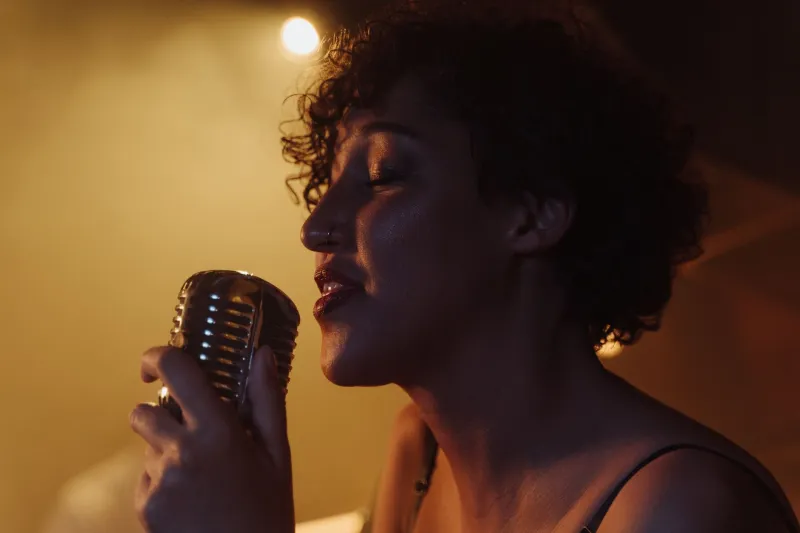
Photo: Femskid, CC BY-SA 4.0, via Wikimedia Commons
Let's kill the myth first: the traditional record deal was never an opportunity. It was a loan with your name as collateral.
For decades, the American music industry ran on a simple trade. The label offered reach — radio, retail, tour support — in exchange for nearly everything that mattered: your masters, your publishing, your pacing, your face. Artists signed because there was no alternative. The gates were real, and the gatekeepers owned the keys.
Then the internet happened, and the gates rusted. And artists like Adi Ulmansky walked straight through the gap.
What the DIY Path Actually Looks Like
Ulmansky's career is a case study in what happens when an artist refuses the standard pipeline. She produces. She writes. She shapes her own visual world. She releases when the work is ready, not when a quarterly earnings call demands it. Every decision — sonic, aesthetic, strategic — runs through one person who has to live with the results.
Skeptics call this limited. It's actually leverage.
When you own your masters, every stream pays you. When you control your release schedule, you can let a song breathe for months instead of burying it in a six-week promo cycle. When you build your audience directly — which Ulmansky has done, one honest track at a time — you don't owe a label's marketing department a single compromise. The relationship with fans is yours, unmediated, permanent.
The Exposure Trap
Here's where the old guard still gets it wrong. The industry's favorite lure remains exposure — the promise that a cosign, a playlist placement, a development deal will do the building for you.
But exposure without ownership is renting your own career. American music history is a graveyard of artists who got famous and stayed broke, whose most profitable decades enriched someone else. The 2020s version of that trap is subtler — 360 deals dressed up as partnerships, advances structured like trapdoors — but the math hasn't changed.
Ulmansky's path suggests a different equation: a smaller, self-owned audience beats a larger, borrowed one. A hundred thousand fans who found you are worth more than a million who found a single and forgot your name by Friday.
The Tech Made It Possible. The Ethic Makes It Work.
Yes, the tools are democratized now — a laptop, an interface, a distribution deal that costs nothing. Every teenager with GarageBand has access to what studios charged six figures for in 1995.
But access isn't the blueprint. The blueprint is the ethic: make the thing yourself, make it honest, release it on your terms, and don't panic in the quiet months. That last part is the hard one. The traditional industry path at least offered the illusion of momentum. Going independent means trusting that slow, compounding, audience-first growth will outlast any hype cycle — because it always has.
What the Next Generation Should Steal
For young American artists watching all of this, the takeaways aren't complicated:
- Own the masters. Always. This is the whole game.
- Build direct. Your mailing list and your community outlive every platform's algorithm.
- Let the work set the schedule. Scarcity of quality beats abundance of content.
- Treat your sound as your brand, not your product. Ulmansky's home-studio texture isn't a limitation she overcame — it's the reason people care.
None of this guarantees fame. But fame was never the prize. Control is the prize — control of the music, the message, and the means. Adi Ulmansky figured that out without anyone's permission, and built something the old pipeline couldn't have given her anyway.
The next generation doesn't need a deal. It needs a blueprint. She already wrote it.