No Label, No Problem: How Adi Ulmansky Built Her American Fanbase One Honest Song at a Time
There's a version of the music industry story that most people still picture when they imagine an artist "making it" in America. A label meeting. A radio push. A publicist with a Rolodex the size of a coffee table book. Adi Ulmansky's story looks nothing like that — and honestly, that's exactly what makes it worth paying attention to.
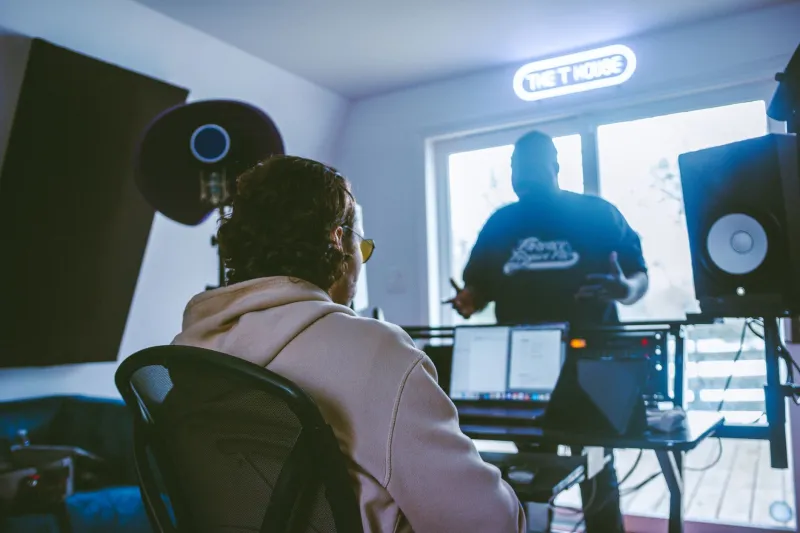
 Photo: Adi Ulmansky, via mein.toubiz.de
She built her US following the hard way, which, in 2024, is also the smart way: directly, digitally, and entirely on her own terms.
The Bedroom Is the Studio
Long before streaming algorithms were doing her any favors, Adi was recording in spaces that weren't designed for recording. The intimacy you hear in her music — that feeling like she's singing from somewhere close and real — isn't an accident. It's the literal byproduct of making art in tight quarters, with limited gear, and no one in the room telling her what a hit should sound like.
That kind of self-production isn't just a budget workaround. It's an aesthetic choice that American listeners, increasingly skeptical of over-polished pop, have responded to hard. When everything sounds expensive and engineered, something raw and self-made cuts through the noise like a knife.
She's talked openly about the tools she used early on — affordable DAWs, a decent condenser mic, and an obsessive ear for arrangement. No magic. Just iteration and instinct.
Platforms as Stages
Here's the thing about breaking into the US market from abroad: geography used to be a wall. Now it's barely a speed bump if you know where to put your energy.
Adi leaned into SoundCloud and Bandcamp during a period when those platforms still had active discovery communities. She wasn't just uploading and hoping — she was engaging, tagging thoughtfully, and building a presence that felt like a person rather than a brand account. That distinction matters more than most artists realize. American audiences are good at sniffing out inauthenticity, and they're loyal to artists who feel like real humans rather than content machines.
When Spotify's editorial playlists started picking up her tracks, it wasn't random. It was the downstream effect of years of audience-building that signaled genuine listener engagement. Playlist curators — both algorithmic and human — respond to momentum. She created that momentum herself.
Social Media, But Make It Art
Adi's social presence has always felt like an extension of her creative work rather than a marketing department running a separate operation. Her visual identity — the colors, the imagery, the aesthetic consistency — carried across platforms in a way that made her instantly recognizable even to someone who'd never heard a single note.
For US-based fans discovering her through Instagram or TikTok, that coherence was a gateway. You didn't just hear the music; you stepped into a whole world. That's the difference between an artist with followers and an artist with a fanbase. One scrolls past. The other stays.
She also understood the value of vulnerability online without oversharing. There's a version of artist social media that's just noise — constant content, constant promotion, constant asking. Adi's approach was more selective and more resonant because of it.
The Sync and Blog Circuit
Before she was on anyone's radar in the US mainstream, she was being written about in the kinds of music blogs and indie press outlets that serious listeners actually trust. Getting covered by tastemaker sites — the ones that have been championing left-of-center international artists for years — gave her American credibility that no paid campaign could have manufactured.
Sync placements helped too. When your music shows up in a short film, a podcast, or a YouTube series that a specific audience already loves, you're not interrupting someone's day — you're being introduced by something they already trust. That's a fundamentally different relationship than an ad.
What Aspiring Artists Can Take From This
If you're an independent artist in the US trying to figure out how to build something real without a machine behind you, Adi's path offers a few concrete takeaways.
Consistency over virality. She didn't blow up overnight. She built steadily, release by release, post by post, until the audience was large enough to sustain itself. Chasing a single viral moment is a lottery ticket. Consistent quality is a strategy.
Your production aesthetic is your brand. The sound of her recordings — imperfect in the best ways, intimate, specific — is inseparable from what people love about her. Don't sand down your edges trying to sound like everyone else.
Community is the product. The listeners who found Adi early didn't just stream her music — they talked about her, shared her, brought their friends. That kind of organic word-of-mouth is worth more than any playlist placement, and you can't buy it. You earn it by being genuinely worth talking about.
Think globally, post locally. Adi's international perspective actually became a selling point in the US, not a barrier. American audiences are hungry for voices that don't sound like everything else on domestic radio. If you're coming from somewhere different, lead with that.
The Bigger Picture
What Adi Ulmansky's American breakthrough really represents is a proof of concept for a new kind of music career — one built on directness, authenticity, and the creative freedom that only comes from owning your own process. The label machine isn't dead, but it's no longer the only road.
For listeners, that means more artists like Adi are out there, building quietly in bedrooms and uploading into the void, waiting for the right ears to find them. For the industry, it's a reminder that the audience always finds its way to what's real.
Adi found hers. And she did it without asking anyone's permission.