Playlisted, Shared, Obsessed Over: How Adi Ulmansky's Music Found Its American Home
Playlisted, Shared, Obsessed Over: How Adi Ulmansky's Music Found Its American Home
There's a version of this story that involves a label exec in a glass office somewhere in Midtown Manhattan, sliding a contract across a desk and declaring Adi Ulmansky the next big thing. That's not this story. This one is better.
 Photo: Adi Ulmansky, via terminal3.frankfurt-airport.com
Because the way Adi's music actually made it to the US — through bedroom speakers in Brooklyn, on late-night drives through the Texas Hill Country, in the earbuds of a college student in Portland who just needed something that felt real — that journey is messier, more organic, and honestly way more interesting than any industry fairy tale.
Let's trace it from the beginning.
It Started With a Recording and a Feeling
Before Spotify editorial teams and algorithmic playlists, there were the early recordings. Raw, intimate, and built in the kind of home-studio environment where the imperfections become the point. Adi's early demos weren't polished in the way that traditional A&R departments tend to demand. They were honest. And in a music landscape drowning in overproduction, honest has a way of cutting through.
Those early recordings circulated in small circles first — music blogs, SoundCloud threads, the kind of niche online communities where people are genuinely searching for something they haven't heard before. The internet, for all its chaos, has always had these quiet pockets of serious listeners. Adi's music found them.
The Streaming Moment That Changed Everything
If there's a single inflection point in Adi's journey to American ears, it lives somewhere inside the Spotify ecosystem. Getting placed on even a mid-tier editorial playlist — think the kinds of mood-based lists that populate the "Made For You" section or genre-adjacent collections like Indie Pop Rising or Alt-Romantic — can expose an artist to tens of thousands of new listeners overnight.
For international artists especially, these placements function as a kind of invisible visa. Suddenly, a listener in Chicago who's never heard of Tel Aviv's indie scene is thirty seconds into a track and already reaching for the follow button. The geography becomes irrelevant. What matters is whether the song earns the next thirty seconds.
Adi's did.
The emotional directness in her writing, the way her vocals sit just close enough to feel like a confession — it translated instantly. American listeners didn't need context. They just needed the music.
Word of Mouth in the Algorithm Age
Here's something the streaming-is-killing-music crowd tends to overlook: algorithms don't create fans. People do. The playlists and autoplay features get a song in front of someone, but the moment a person texts their friend "okay you NEED to hear this" — that's where a real audience gets built.
Adi Ulmansky's US fanbase grew significantly through exactly that kind of organic sharing. TikTok played a role, as it has for so many international artists who found unexpected American audiences through fifteen-second clips. A snippet of the right song soundtracking the right moment — a late-night drive, a breakup, a quiet Sunday morning — and suddenly it's everywhere.
Music Twitter (now X, though the culture lives on) also deserves credit here. The corners of that platform dedicated to finding underrated or overlooked artists function like the world's most passionate A&R department, and they work for free because they genuinely love music. Adi got mentioned in those threads. People clicked. People stayed.
The Playlist Curators Who Acted Like Champions
Beyond the major platforms, independent playlist curators on Spotify and Apple Music played a surprisingly large role in connecting Adi's music to American listeners. These are often regular people — music obsessives who've built followings of thousands by consistently surfacing great songs before anyone else does.
Getting picked up by one of these curators, especially in categories like dream pop, art pop, or emotionally raw singer-songwriter, can be more meaningful than a lot of traditional press coverage. The listeners who follow those playlists are looking for exactly what Adi offers. They're primed. The introduction almost sells itself.
It's a reminder that the gatekeepers of music discovery have genuinely democratized. You don't need a Rolling Stone feature to reach Rolling Stone readers anymore. You just need to be in the right ears at the right moment.
What American Listeners Actually Connected With
It's worth pausing here to ask: why did it work? Plenty of talented international artists put music on streaming platforms and never find a US audience. What was different?
A few things stand out. First, Adi's music doesn't sound like it's trying to be American. It doesn't sand down its edges to fit a format. That authenticity is magnetic to listeners who are exhausted by music engineered for mass consumption. There's a specificity to her emotional world that, paradoxically, makes it feel universal.
Second, the production aesthetic — that textured, lo-fi-adjacent quality — landed perfectly with an American indie audience already primed by artists like Phoebe Bridgers, Julien Baker, and Angel Olsen. Not derivative, but in the same emotional neighborhood. Listeners who loved those artists found Adi and immediately understood where she was coming from.
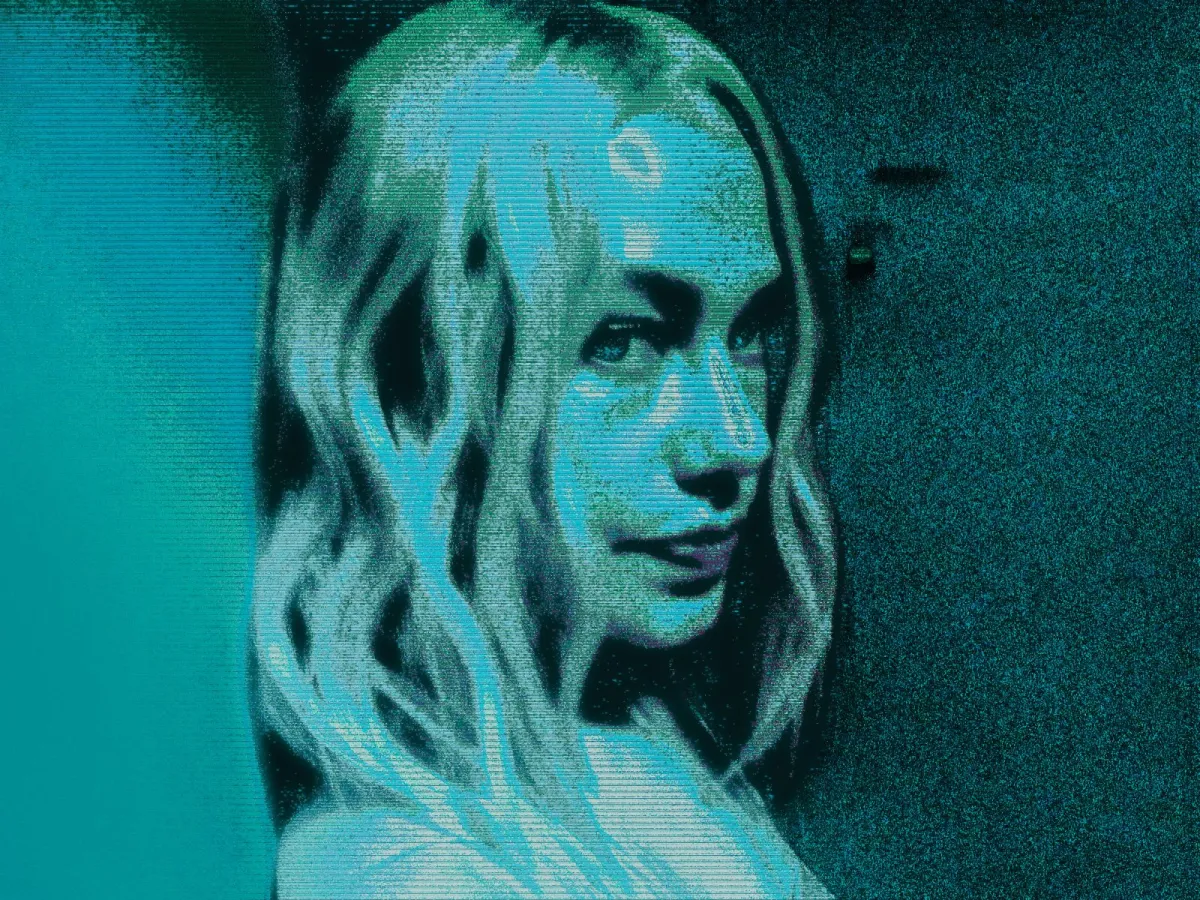 Photo: Phoebe Bridgers, via deadoceans.com
Third — and this might be the most underrated factor — she never stopped making music. Consistency matters in the streaming era. The algorithm rewards it. But more than that, an artist who keeps releasing work gives their audience something to return to, something to grow with. Adi gave people reasons to stay invested.
The Blueprint for Breaking Through Without a Machine Behind You
What Adi Ulmansky's journey to American listeners actually represents is a kind of proof of concept for independent artists everywhere. You don't need a major label's promotional budget. You don't need a US publicist with connections at every outlet. You don't need any of the traditional infrastructure that used to be the only path.
What you need is music that earns the next thirty seconds. A presence on the platforms where listeners are actually discovering new artists. A willingness to let the work find its people, even if that happens slowly and without fanfare.
And maybe — just maybe — a few generous strangers on the internet who hear something true in your music and can't help but tell everyone they know.
That's how it happened. That's how it keeps happening. And if you're reading this because someone sent you a link and said "you need to hear this artist" — well, you're already part of the story.