She Skipped the Gatekeepers and Built Something Better: The Independent Playbook Adi Ulmansky Wrote for Herself
There's a version of the music industry story that goes like this: you make demos, you send them to labels, you get signed, and then — maybe — people hear your music. Adi Ulmansky looked at that version and essentially said, hard pass.
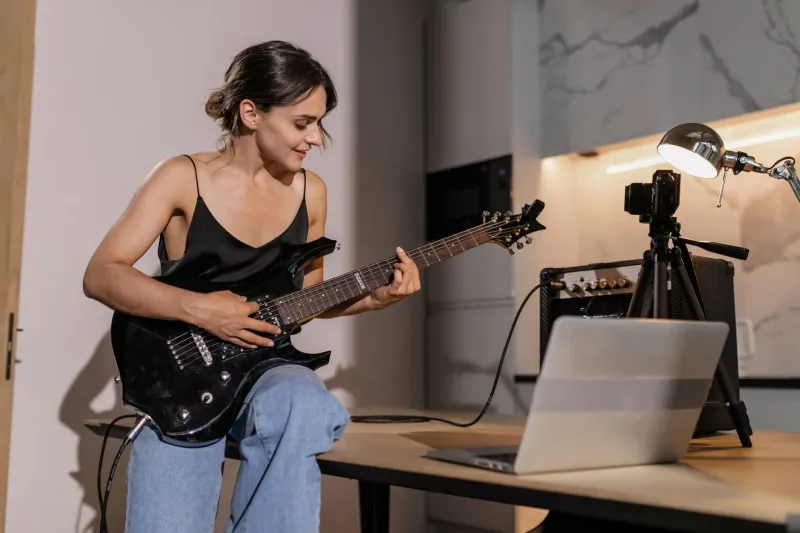
 Photo: Adi Ulmansky, via m.media-amazon.com
What she built instead is something a lot more interesting, and honestly, a lot more instructive. Her path from early bedroom recordings to a genuinely devoted American fanbase isn't just a feel-good origin story. It's a practical blueprint — one that's increasingly relevant for any independent artist trying to carve out space in a landscape that's simultaneously more accessible and more crowded than ever before.
Let's break down what she actually did.
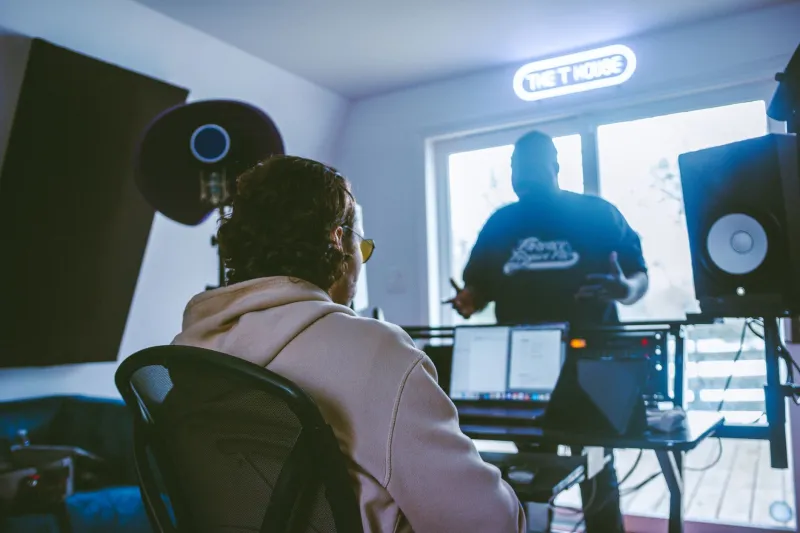
She Treated the Bedroom Like a Real Studio
The phrase "bedroom demo" tends to carry a certain stigma — rough edges, lo-fi limitations, the implication that something more polished is on the way. Adi flipped that script entirely. Rather than treating her home recordings as a stepping stone toward some future, label-funded studio experience, she leaned into the texture of self-production as a deliberate aesthetic choice.
This matters more than it might seem at first. When you decide that your current setup is the setup — not a placeholder — something shifts in how you approach the work. You stop waiting. You start releasing. And releasing consistently is, it turns out, one of the most powerful things an independent artist can do.
Her early recordings didn't sound like apologies for a budget she didn't have. They sounded like her — specific, intentional, emotionally direct. That specificity is what listeners connect to, and it's something that no label deal can manufacture for you.
She Released Music on Her Own Timeline
One of the less-discussed advantages of staying independent is control over when and how you put music into the world. Traditional label cycles are notoriously slow — sometimes a finished record sits for a year before it sees daylight, by which point the emotional urgency that fueled its creation has long since evaporated.
Adi didn't have that problem. When something was ready, it went out. When she felt a particular creative direction pulling at her, she could follow it without waiting for committee approval or marketing alignment meetings. That responsiveness — that ability to stay close to the feeling that generated the music in the first place — is audible in the work. Listeners can tell when an artist is still connected to what they're releasing, and they respond to it.
For US audiences in particular, who are increasingly skeptical of over-polished, over-managed pop product, that sense of directness registers as authenticity. And authenticity, right now, is currency.
She Talked to Her Audience Like They Were People
This sounds obvious, but it's rarer than you'd think. A lot of artists — especially those navigating the early stages of building an audience — treat social media and fan engagement as marketing functions rather than actual conversations. The result is a kind of hollow promotional energy that audiences can smell from a mile away.
Adi's approach has always felt more like correspondence than broadcasting. Whether she's sharing the context behind a song, responding to listeners who've found something meaningful in her music, or just being honest about where she is creatively, there's a sense that the communication runs both directions. Fans don't feel like an audience being managed — they feel like participants in something ongoing.
That distinction is huge. The artists who build genuinely devoted fanbases — the kind that follow you across albums, across sonic shifts, across years — tend to be the ones who treat the relationship as real. Adi has done that consistently, and it shows in the depth of connection her listeners seem to feel.
She Held the Creative Reins and It Paid Off
Creative control is one of those things that sounds abstract until you watch what happens when an artist doesn't have it. Songs get softened. Edges get rounded. The thing that made the music interesting in the first place gets negotiated away in pursuit of some imagined mainstream palatability.
Because Adi has always maintained ownership over her creative decisions — from the sonic palette she works in to the visual language she uses to the narratives she chooses to tell — her body of work has a coherence and a distinctiveness that's genuinely rare. You can put on an Adi Ulmansky track and know within seconds that it's hers. That kind of recognizability is something artists spend entire careers trying to develop, often with a lot of outside interference making it harder.
For independent artists watching from the sidelines, this is one of the clearest lessons her trajectory offers: the short-term resource advantages of a label deal can come with long-term creative costs that are very hard to recover from.
The Replicable Parts (Because That's the Point)
Here's the thing about Adi's path that makes it genuinely useful as a model rather than just an inspiring anecdote: the core decisions she made aren't dependent on exceptional luck or a single viral moment. They're structural.
Start making before you feel ready. Release consistently rather than waiting for perfect. Build direct relationships with listeners. Protect the creative vision that makes your work worth hearing in the first place. These aren't secret industry hacks — they're commitments, and they compound over time.
The US independent music scene is full of talented people who are stuck waiting: waiting for validation, waiting for the right opportunity, waiting for someone with institutional power to tell them they're allowed to proceed. Adi's career is a pretty compelling argument that the waiting is the part you can skip.
Why This Matters Right Now
We're in a moment where the infrastructure for independent music has never been more accessible — distribution platforms, direct-to-fan tools, streaming royalties (however imperfect), social media reach — and yet the psychological pull of traditional industry validation hasn't gone away. A lot of artists are sitting on music that deserves to be heard, paralyzed by the gap between where they are and where they think they need to be before they can share it.
Adi Ulmansky's career doesn't just prove that another way is possible. It shows, in specific and traceable detail, what that way actually looks like in practice. And for anyone trying to build something real — something that connects, something that lasts — that's worth paying close attention to.
She didn't ask for a seat at the table. She built her own, and then she invited people to pull up a chair. That's the move. That's always been the move.