The Internet Did Something Beautiful With Her Songs: Adi Ulmansky's Fan-Made Universe, Explained
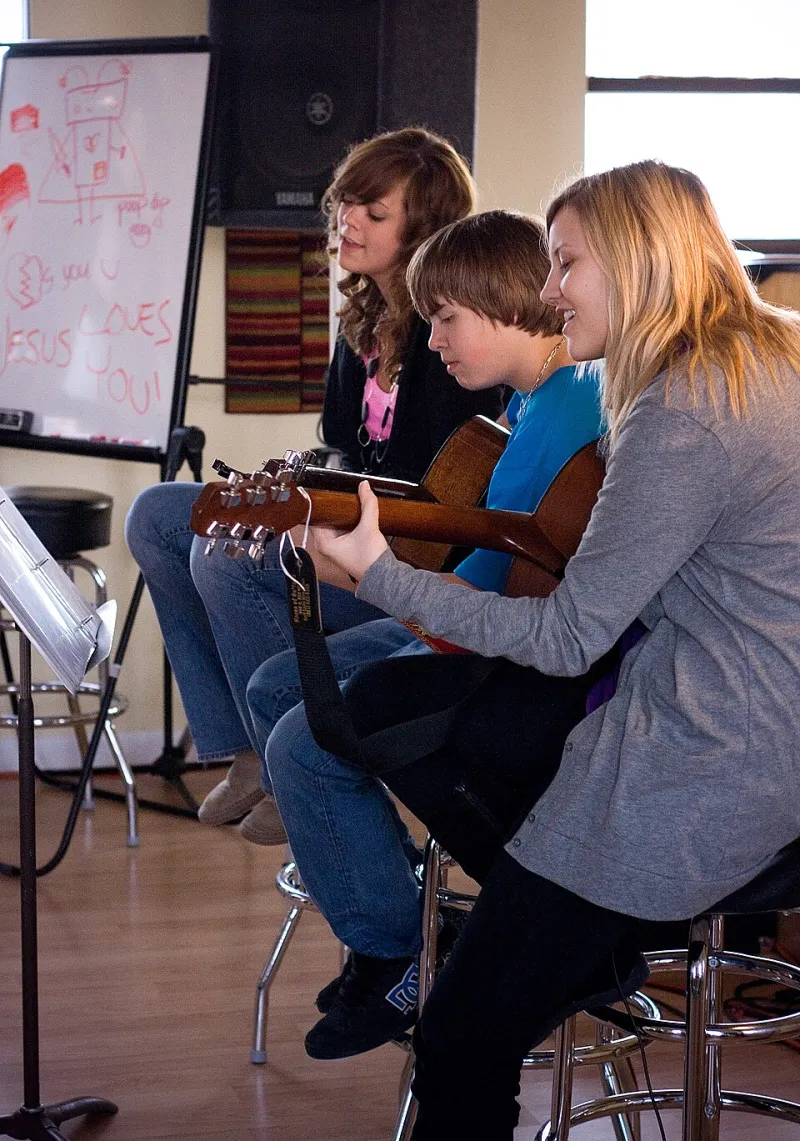
Photo: Andres Rodriguez, CC BY-SA 2.0, via Wikimedia Commons
There's a moment that happens on every Adi Ulmansky fan forum, usually around midnight East Coast time, when someone posts the same question: does anyone else feel like this song was written about their life?
The answers are always yes. Hundreds of them. From a nursing student in Ohio, a DJ in Austin, a guy who found her through a lo-fi playlist during the pandemic and never left.
This is what fandom looks like in the streaming era — not a fan club with a mailing list, but a living, breathing ecosystem that doesn't sleep. And for an independent artist like Ulmansky, it might be the most powerful promotional machine in music.
The Remix Economy Runs on Trust
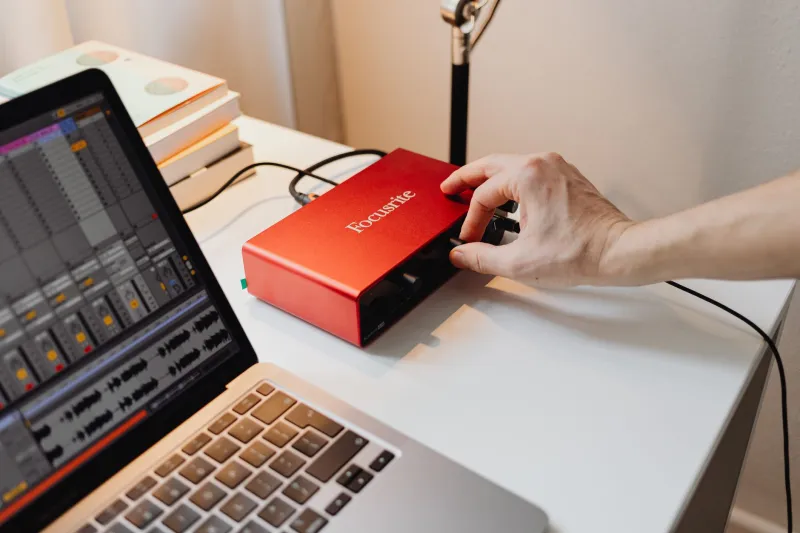
Bootleg remix culture has always existed in the margins — SoundCloud rips, pitched-down edits, unreleased acapellas passed around like contraband. What's different now is how central it's become. Some of the most-shared versions of Ulmansky's tracks online aren't hers at all. They're fan productions: a house rework that turns one of her ballads into a warehouse anthem, a slowed-and-reverb edit that's racked up more plays than certain official releases.
Legally, this lives in a gray zone. Creatively, it's a compliment of the highest order. You don't remix a song unless the bones are strong enough to be rebuilt. The fact that her melodies survive being deconstructed by teenagers with a laptop and a cracked copy of a DAW says something about the songwriting underneath.
And here's the thing about Ulmansky specifically: her production style — that intimate, home-studio texture — practically invites it. Her recordings sound touchable. Fans hear them and think, I could do something with this. That's not an accident. That's an aesthetic with the door left open.
TikTok Turned Her Bridges Into a Language
Scroll the Ulmansky tag on TikTok long enough and you'll notice a pattern. It's rarely the chorus that goes viral. It's the pre-chorus. The half-whispered line right before everything opens up. American creators have turned those moments into emotional shorthand — the sound under a coming-out video, a grief post, a we made it out montage.
This is the strange new grammar of music discovery. A fifteen-second clip, stripped of context, becomes the reason someone streams a full album at 1 AM. The fan-made edit isn't advertising; it's interpretation. Each one is somebody saying, here's what this song means to me — and the algorithm quietly amplifying the most honest versions.
The Subreddit Nobody Moderates Into Oblivion
The fan-run forums and Discord servers operate on a different logic than official artist channels. They're part archive, part group therapy. Threads catalog live performances, decode lyrical references, argue about which B-side deserved to be an album cut. Someone maintains a spreadsheet of every remix. Someone else is already working on the next one.
What's striking is how little gatekeeping happens. New fans ask obvious questions and get genuine answers. In an internet famous for hostility, the Ulmansky community is aggressively welcoming — which, fans will tell you, reflects the music itself. Her songs don't talk down to you, so neither does the fandom.
Why This Matters for Independent Artists
The traditional industry playbook says an artist controls their narrative, releases on schedule, protects the brand. The fan-made universe operates on the opposite principle: release the music, then let go. Let people bend it, cut it, argue about it, make it theirs.
Ulmansky's between-release gaps — the quiet stretches that would panic a label — are exactly when this ecosystem does its best work. The community doesn't go dormant waiting for the next single. It produces. Fan art, tribute mixes, essay-length Reddit posts about a song from 2019. The catalog stays alive precisely because nobody's being paid to keep it that way.
There's a lesson in here for every artist watching a major label pitch deck slide across the table: the thing they'll promise you — an engaged audience — can't actually be bought. It gets built, one honest song and one 2 AM forum post at a time. And once it exists, it belongs to the fans as much as to you.
Which might be the whole point.